I’m bored. This thought often runs through my head while I’m at work. Since both of my jobs are entry level, I get the privilege of doing a lot of the grunt work. Often, this means I’m folding and mailing letters or moving stuff from one end of the store to the other.
In my experience, there are three ways to not want to shoot yourself while performing these tasks.
Numb Your Mind
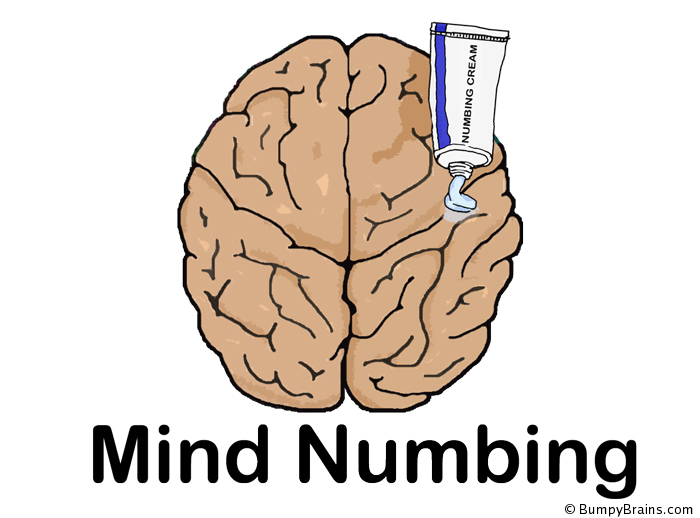
One way is to numb your mind. This approach is the easiest, but also the least helpful. In my experience mind-numbing leads me to become emotionally unresponsive. This tends to make me more unpleasant to be around. My attention span shortens as my temper contracts and my likelihood of being annoyed skyrockets.
In defense of mind-numbing, you’re often able to quickly complete mundane tasks in this mental state. Because you have omitted everything else, the only thing that remains is the task, which leads to higher efficiency.
On the whole, despite the slight advantage, this strategy isn’t sustainable. I employ this technique sparingly as it makes me feel dead inside. The mental agony is not worth the minor performance improvement.
Banter With Co-Workers

Co-workers make or break your workplace. If you’re fortunate to have good colleagues, then work tends to be more tolerable. Unfortunately, if you have rotten colleagues then work often becomes more miserable.
Assuming you can joke with your co-workers this strategy works wonders, and even better if the task is repetition based. A half hour task feels like it took mere minutes.
Additionally, unlike mind-numbing, you still usually feel like a human afterward. Although banter tends to work better for extroverted people, it can still work well for introverts assuming you find your co-worker compelling.
One word of caution. This technique can easily slide from proactive adaptation to procrastination. No one likes that co-worker that talks incessantly and doesn’t realize when to shut up and put their head down to reach the deadline.
Despite the slight danger present in this strategy, it’s an overall improvement. Unfortunately, it still has one major weakness. Should you be unfortunate and have less than desirable co-workers, then you most likely cannot use this method. Fortunately, gamification can be used in almost any work environment!
Gamify the Task
I confess I stole this idea. Like all good scholars, I’m a fantastic thief. I first heard this idea from Adam Savage when he discussed his work at Industrial Light and Magic. To create amazing sets for movies like Star Wars, he often had to drill many precise holes.
As you can imagine, this is boring. Adam developed a habit of challenging himself to complete the task faster. To him, this created a clear, tangible goal. Although there were no leaderboards, he did reward himself when he completed tasks ahead of schedule.
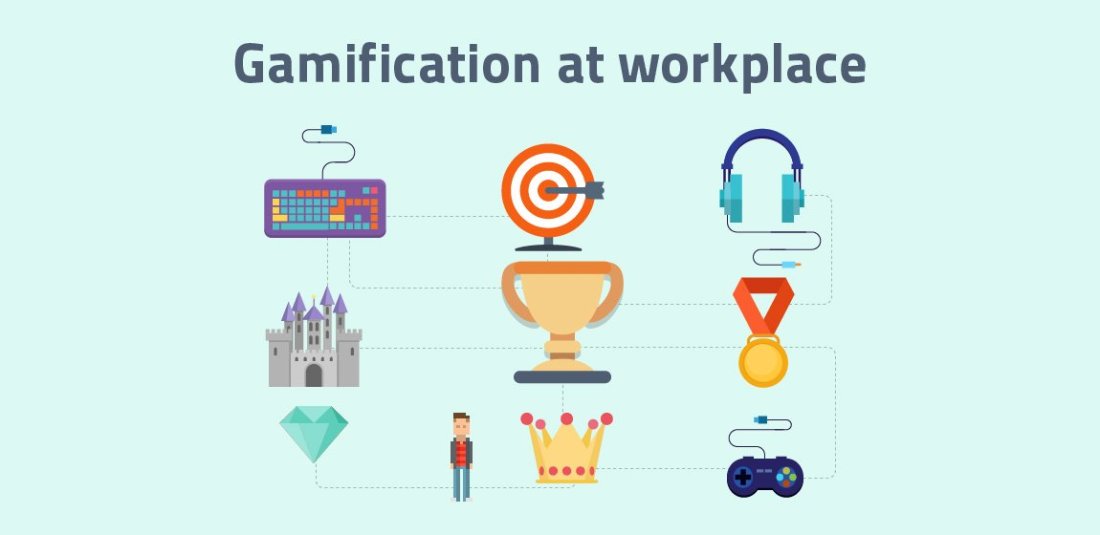
This idea of turning something monotonous into a game is the core of gamification.
As humans, we like clear goals with logical steps to achieve them because we can then measure our progress towards mastery. When we make a task a game, we introduce the rules, constraints, and win conditions. The closer we get to our target, the better we feel.
Of course, an obvious danger is to make the goal so easy that it’s impossible to miss. Thankfully, we are our own allies in this case. We know when we do this, so we don’t get the same reward when compared to a hard-fought or near victory.
To properly implement this technique you also need to create incentives for a job well done. One example would be to treat yourself to your favorite snack. A better example is to purchase an item you’ve been wanting relating to your work.
The second example is better than the first because the reward is congruent with the task. In other words, it is consistent with your overall goal of mastery.
Wrapping Up
So, to sum up. If you’re bored with a work task, try gamification. It will make the task more challenging. The optimal challenge always makes a task more rewarding. Further, done well, there will also be a tantalizing reward for a job well done. The best part is this method only requires your imagination and honest assessment.
Making a tedious task fun isn’t only possible, but often a rewarding experience that translates well to the rest of your life.

 Apprentice Adult