Quick, describe to me what you think a gamer looks like! I’d be willing to bet good money that one of two stereotypes emerged. You either thought of an anti-social teen in his almost pitch black room or a 30 something that still lives with their parents.

While I believe stereotypes emerge from a hyperbolized truth, these two examples share a damaging theme. Both imply that people who game are unable to socialize. The anti-social stereotype not only damages the industry but can be easily called into question.
Online Gaming Communities

Although not every game will have an entire web-based community surrounding it, a decent amount do. Generally, games that create these communities are multiplayer in nature.
Prime examples of games that fostered online communities include Starcraft II, League of Legends, and Fortnite. In the streams and forums dedicated to these games, you’ll see gamers not talking just about the game, but more mundane things like which pie is the superior one.
This sounds a lot like the varied types of conversations people have in person too. It seems that games may just be another hobby people congregate around before discussing their other interests.
I hear the complaints now though, this is one set of cherry-picked examples, surely you can’t make any conclusions from this alone. Unfortunately, that’s true. Fortunately, I have a few more examples to make a compelling argument!
In-Game Interactions
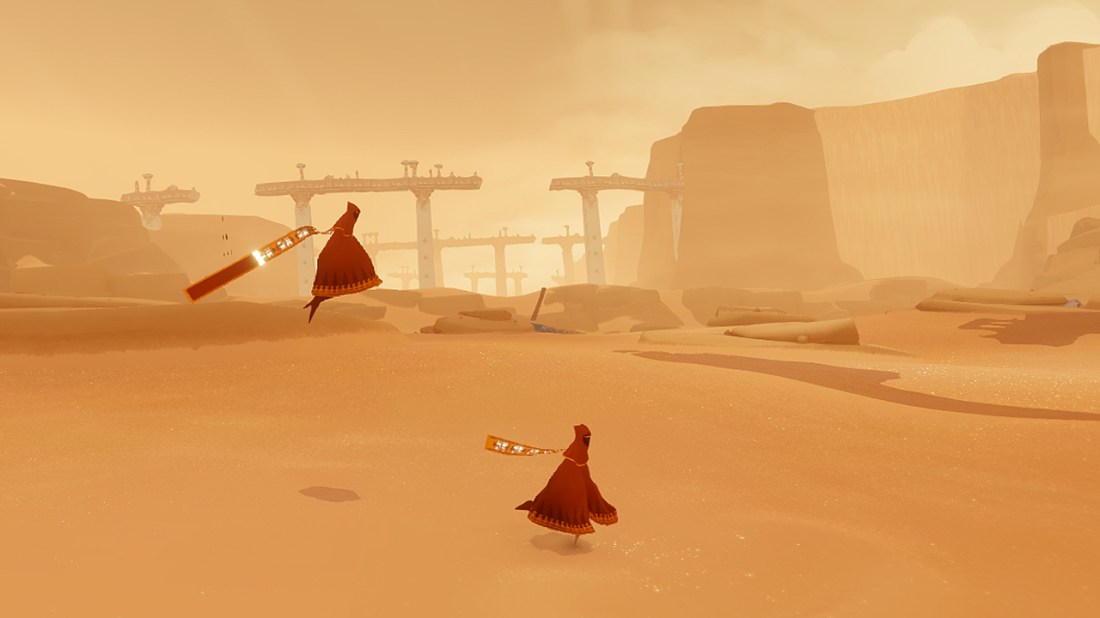
Co-op and multiplayer games require communication. Without it, gamers can’t complete the objectives of the game and walk away sad and without achievements.
Different games also force players to communicate differently. In games like League of Legends and CS:GO, players can chat via text or voice. This makes it very difficult for miscommunication; but, it also allows for 12-year-olds that don’t know how to not scream into their mic.
In contrast, some games only allow players to communicate via emotes. This is especially true in online co-op for games like Portal 2 and Journey. This constraint requires players to better convey their intentions and understand those of their partner. This is an important, transferable skill because traditional “social human” conversation is mostly non-verbal anyways.
Either way, gamers become better at conveying their needs and desires. In turn, they improve their ability to resolve conflict and cooperatively achieve objectives. These are vital social skills for a successful life.
In Person Tournaments
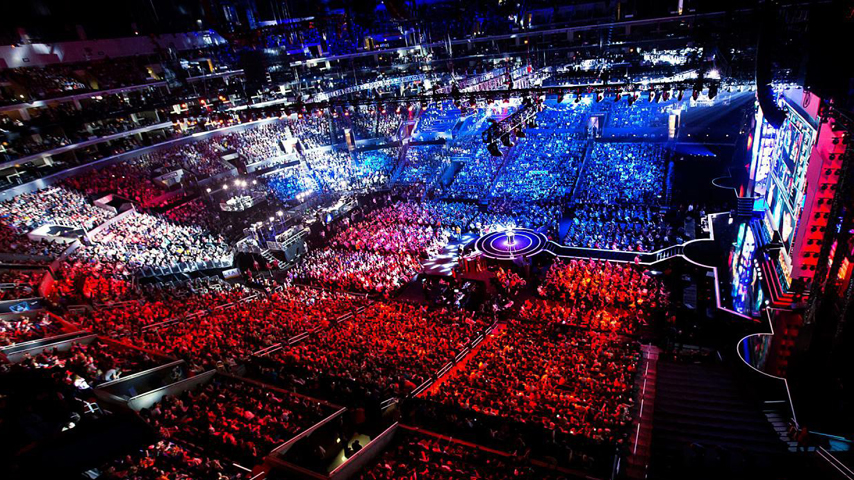
I believe most people who attend sporting events are considered socialized. Especially, if while at these events, they chat with friends and fellow fans about their team and the spectacle they are all watching.
Even if not a lot of words are exchanged, being in the same arena with others and sharing in the jubilation of success or agony of defeat is a very primal human feeling.
Then, how are people who attend video game tournaments any less social? They too are watching a spectacle of skill and sharing in the victory or defeat of their favorite teams. Additionally, these tournaments often have gimmicky things between sets, just like other sports, to gain audience participation.
There seems to be no difference in human behavior during a sports or esports game. Therefore, to claim one activity is social and the other is anti-social is hypocrisy.
In Person Conventions
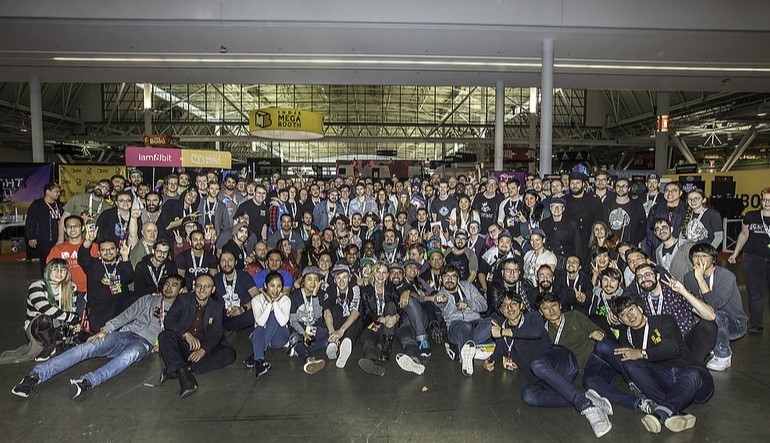
Game conventions are similar to those for business or other hobbies. Game conventions show off the newest things in the industry, present opportunities to network, and allow people to meet others who enjoy the same thing they do.
Because of the shared hobby, there is often an instant bond between attendees. In a lot of cases, just like with other conventions, long-term friendships are born at these large gatherings.
Further, those that arrange these conventions are often gamers themselves. These gamers are performing highly social behavior by facilitating an event where people can meet others who share their interests.
Game conventions are like other conventions except the focus is on video games. So, If conventions are social, then video game conventions are also social. This must also extend to the people who attend. If convention attendees are social, then video game convention attendees must be social.
With these two claims, we can now refute the common societal claim. Since some gamers attend video game conventions, not all gamers are antisocial.
Wrapping Up
I have walked you through several examples of how games are social. From the activities within the games themselves to the communities that form around them. I think we need to move away from the perception of games as something only nerds play with. Instead, we should begin considering them as another art medium.
If we view games through this lens, we not only see the value of those who play video games but also of the medium itself.

 Apprentice Adult